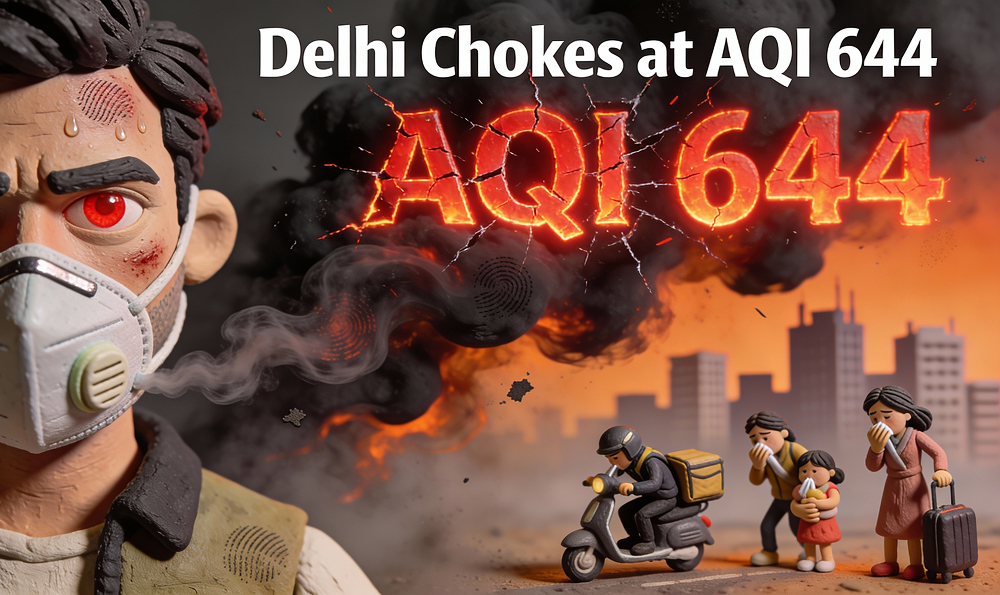
Delhi Chokes at AQI 644. Flights collapsed, data was softened, and the poor paid the highest price. Inside India’s worst air crisis of 2025.
The Number Delhi Wasn’t Shown
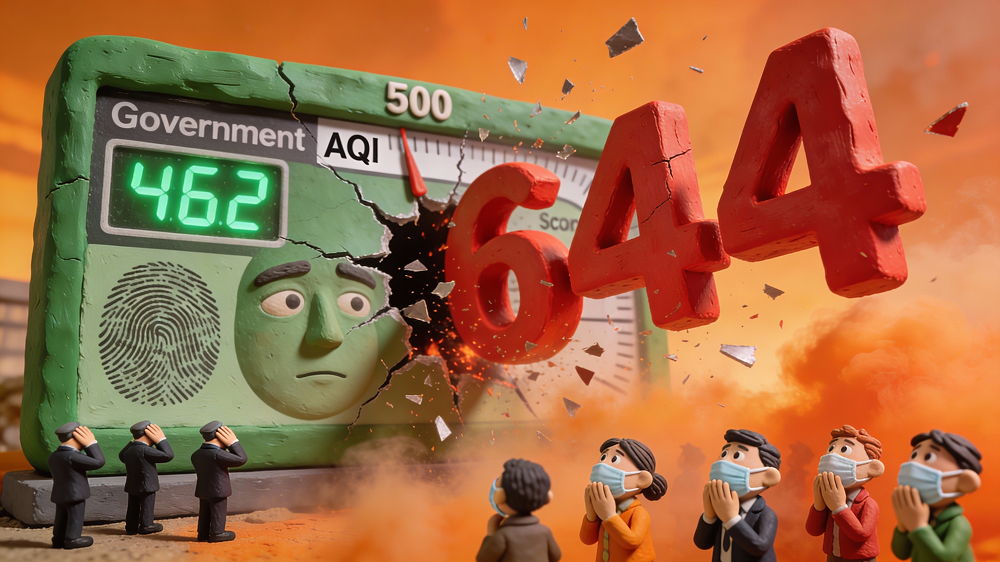
When Delhi went to sleep on 13 December, most residents woke up the next morning to headlines about an already alarming “city average” AQI in the 460s.
At 6 am on 14 December, Anand Vihar quietly crossed an AQI of 644 – a reading so toxic it breaks India’s formal “severe” scale, which tops out at 500.
That single number, buried in station-level data, never led the front pages even though it represents the kind of air that doctors say can trigger acute distress in children, the elderly, and those with heart or lung disease.
An AQI above 400 is officially labelled “severe”, with regulators warning that it can harm even healthy people and pose a serious health risk to vulnerable groups.
Yet the public conversation stayed focused on daily averages, not the worst hotspots or peaks that people in neighbourhoods like Anand Vihar actually breathed.

A City Living in a Gas Chamber
On recent “severe” days, the BBC and other outlets have described Delhi wrapped in a toxic blanket where visibility drops, throats burn, and eyes water within minutes outdoors.
Schools have repeatedly shifted to online classes, with children in many neighbourhoods spending days indoors as AQI readings cross several times the World Health Organization’s recommended limits.
Public transport and aviation have struggled to cope.
Smog and dense fog together have pushed AQI well into the “severe” band while grounding or delaying scores of flights at Delhi’s airport and slowing trains across north India.
For many passengers, this has meant hours in terminals with little warning and no meaningful compensation, even though such winter disruptions now recur almost every year.
Behind each statistic are people who cannot opt out.
Outdoor workers, delivery staff, and those dependent on daily wages continue on the roads with reused masks or none, while more affluent residents retreat into air‑purified homes and cars.
Doctors in the city have reported spikes in respiratory complaints, including among children who had no previous history of lung disease.
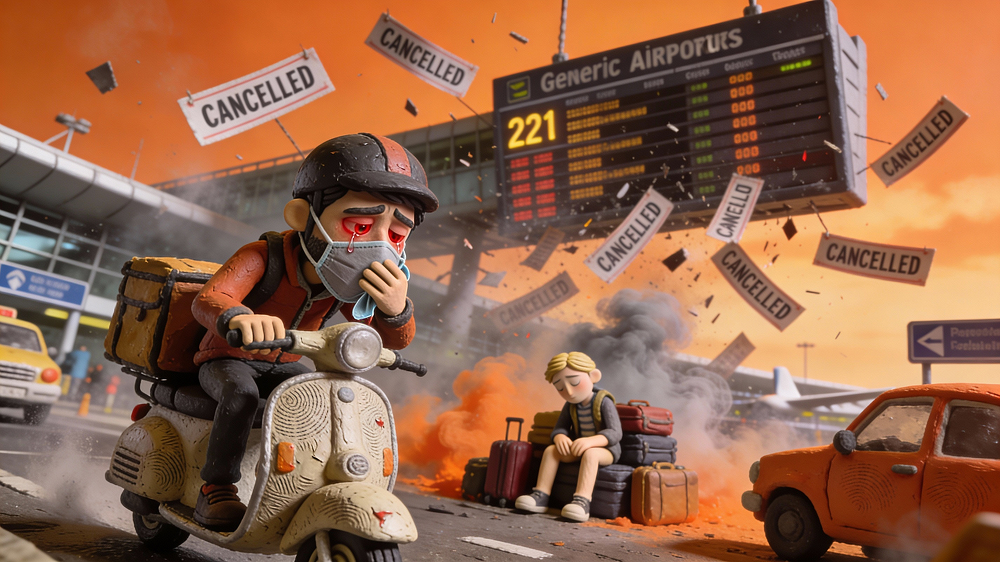
Flight Chaos Hits Hardest at Anand Vihar
Delhi’s transport hubs became ground zero during the crisis, with Anand Vihar—the station where AQI secretly peaked at 644—turning into a smog-choked nightmare for commuters and workers.
Delivery riders like Rajesh Kumar, who earns just ₹600 daily with no work-from-home option, started their shifts at 7 am wearing yesterday’s reworn N95 mask to save costs. By noon, his eyes burned, and by evening, he coughed up black mucus; yet, bills demanded he return tomorrow.
Meanwhile,e at IGI Airport, over 221 flights were cancelled and 450+ delayed between December 15-21, stranding thousands nationwide—including German tourist Martina Weber, whose Frankfurt flight vanished after a 5 am wait, with zero airline warnings, compensation, or alternatives,s despite this being Delhi’s predictable winter ritual.

Messi's Visit Spotlights Global Shame
The crisis even pierced international glamour: On December 10, Lionel Messi’s exhibition match in Delhi drew 40,000 fans, but cheers turned to fury with chants of “AQI! AQI!” echoing through the stadium, forcing Chief Minister Rekha Gupta into an awkward spotlight.
A viral video captured the moment (8.4 million views in 48 hours), sparking #AQINotMessi to trend globally and drawing headlines from BBC to ESPN about India’s air emergency.
Messi’s own Instagram post that night—a somber photo of Delhi’s impenetrable gray skyline captioned “Pray for clean air 🙏”—became the football legend’s sole takeaway from India, amplifying what local media had downplayed and pressuring silent officials worldwide.
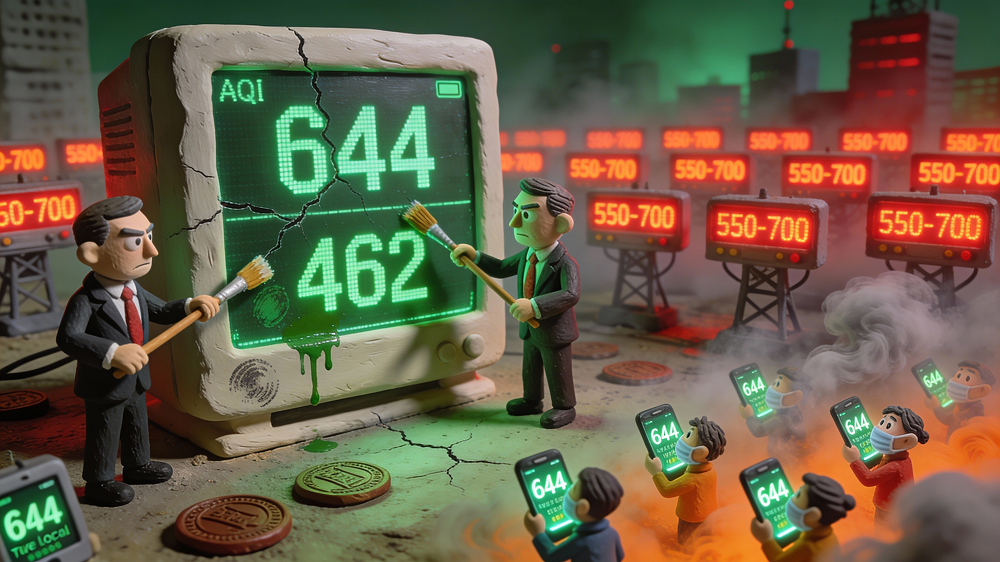
Peak Pollution, Quiet Data Gaps
India’s official air quality bulletins present city‑wide averages across a network of monitoring stations.
Experts say this approach can conceal extreme pockets where readings climb far higher than the stated “Delhi AQI, especially in traffic corridors and industrial areas.
Recent coverage has also highlighted how India’s public AQI tools cap visible numbers at 500 even when conditions outdoors are worse.
International and private monitors sometimes report much higher figures, underlining the gap between what citizens see on government apps and what they may actually be breathing.
In late 2024 and 2025, debates intensified over whether authorities had been quick enough to publish, explain, and act on the most dangerous peaks.
Opposition politicians, lawyers,s and campaigners argue that residents need transparent, real‑time access to this data to make basic health decisions for their families.
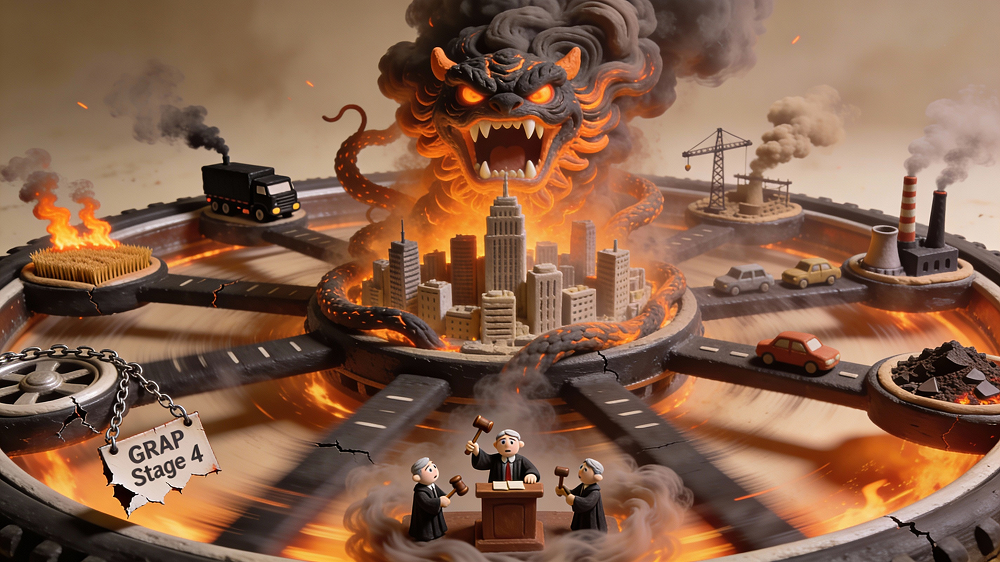
Why Delhi’s Air Is This Bad
Specialists describe Delhi’s winter crisis as the result of several overlapping sources rather than a single culprit.
Industrial emissions, vehicle exhaust, construction dust, and the burning of agricultural stubble in neighbouring states all add to pollution trapped by cold temperatures and low wind speeds.
Each year, the Graded Response Action Plan (GRAP) is activated in stages as the air worsens.
Measures can include halting most construction, restricting the entry of polluting vehicles, closing schools, and curbing the use of diesel generators and some commercial fuels.
But top courts and independent experts have repeatedly called the measures too late and too temporary, arguing that they manage emergencies rather than emissions.
They point out that Delhi’s air quality has repeatedly slipped back into “very poor” or “severe” soon after restrictions are lifted, because underlying sources are left largely unchanged.
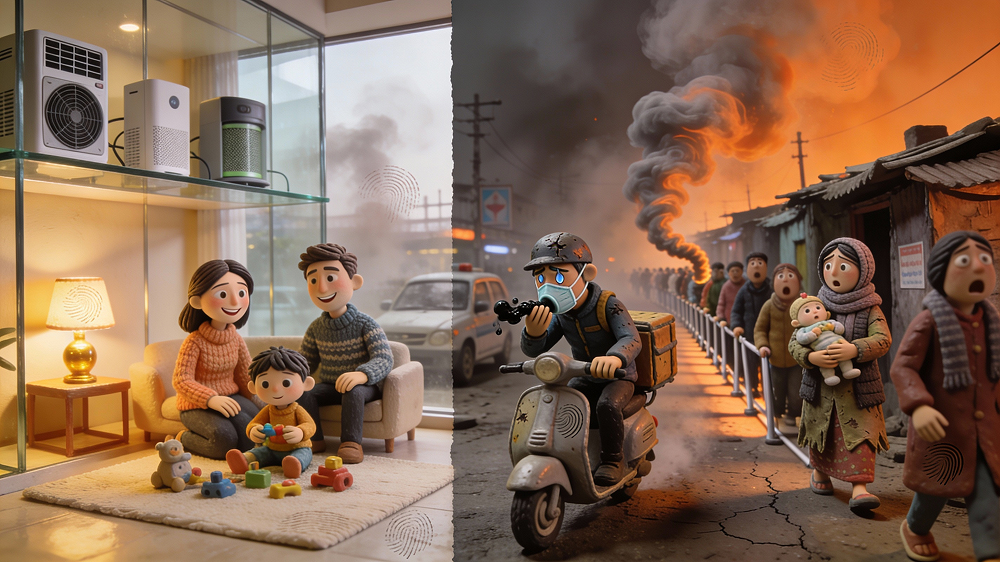
The Human Cost: Children and the Poor
Medical researchers have warned for years that children in Delhi are among the worst affected by toxic air.
Hospitals report large numbers of young patients with wheezing, coughs, and breathing difficulty during heavy smog episodes, while long‑term exposure is linked to reduced lung growth and a higher risk of chronic disease.
Global studies estimate that air pollution contributes to millions of premature deaths worldwide each year, with India accounting for one of the largest national shares.
A 2024 analysis involving Indian data suggested that exposure to fine particulate matter is associated with increased risk of heart attacks, strokes, and other serious conditions, especially in poorer communities.
Inequality runs through the crisis.
Families with resources can install air purifiers, use filtered vehicles, work from home, or temporarily leave the city during the worst weeks.
Those living in informal settlements or doing outdoor, low‑paid work have little choice but to breathe what the city gives them, often relying on overloaded public hospitals when they fall sick.
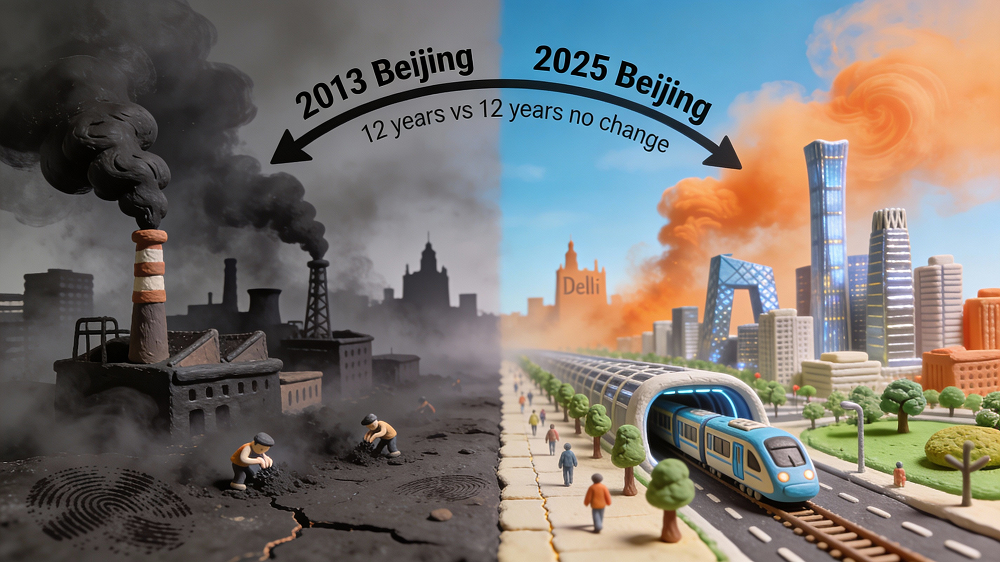
Beijing’s Turnaround and Delhi’s Choice
A decade ago, Beijing was shorthand for extreme urban smog, with some episodes recording pollution many times above safe limits.
In the years since, China has pursued aggressive measures: shifting coal power away from cities, closing or relocating factories, tightening vehicle standards, and rapidly expanding mass transit.
Researchers estimate that these policies helped the Chinese capital roughly halve its average concentration of key pollutants over about a decade, though it still does not always meet WHO guidelines.
Environmental analysts often contrast this with Indian cities, where strong plans exist on paper but implementation is fragmented between multiple agencies and levels of government.
Delhi’s residents, courts, and campaigners are increasingly asking whether similar long‑term, structural action is possible in a democracy with competing political and economic pressures.
The answer, experts say, will depend on whether clean air becomes a non‑negotiable political priority rather than a seasonal talking point each winter.
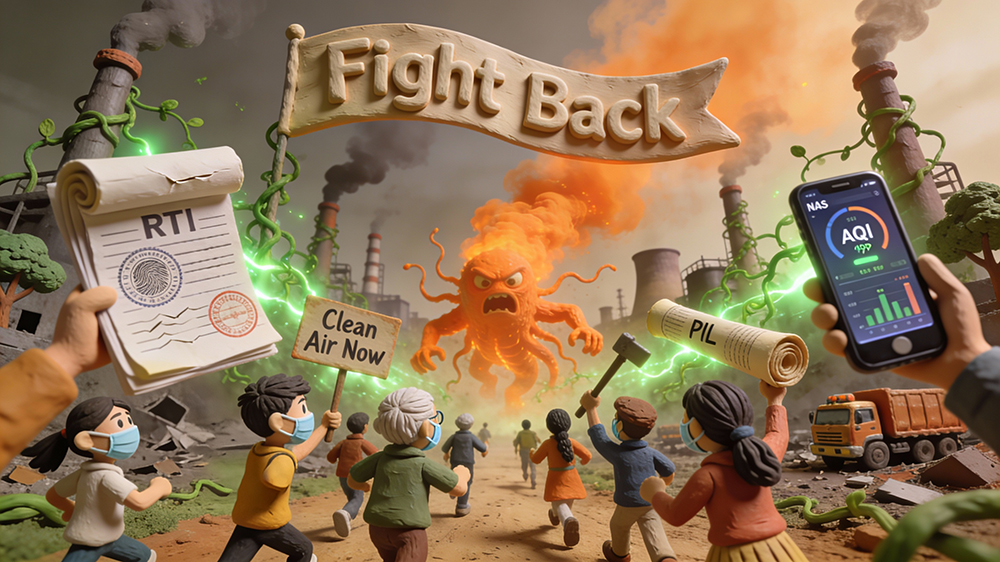
What Residents Can Do Now
Public‑health guidance during severe episodes remains stark: stay indoors where possible, ventilate cautiously, use masks rated to filter fine particles, and seek medical help early if symptoms worsen.
Doctors also advise that people with heart or lung conditions, older adults, and children should limit outdoor activity when AQI crosses into the “very poor” and “severe” bands.
Beyond individual precautions, activists argue that sustained civic pressure is essential if Delhi’s air is to improve.
They point to tools such as public‑interest litigation, Right to Information requests, community monitoring and electoral scrutiny of environmental promises as ways to keep governments and polluters under pressure.
For many of the city’s 30‑plus million residents, relocation is neither realistic nor desirable.
The struggle over whether Delhi remains a liveable capital or becomes a place people leave to protect their health may be decided less by one winter’s AQI and more by what the city does in the next decade.
“All images in this article were generated using AI tools for illustrative purposes. They are designed to visualize concepts and should not be considered actual product photographs.”