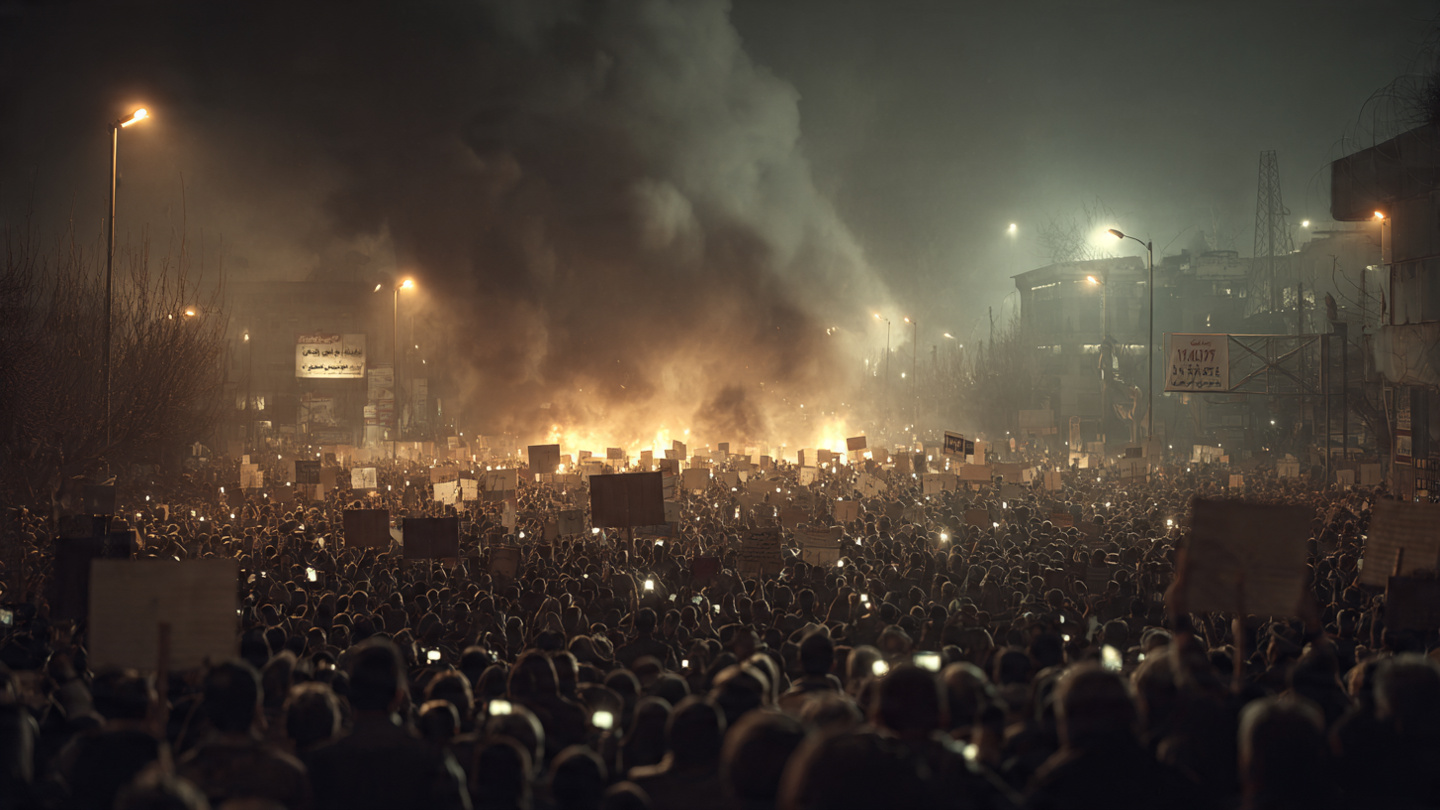
At least 2,586 people have died in Iran’s brutal crackdown on nationwide protests, according to the U.S.-based Human Rights Activists News Agency (HRANA). This marking the deadliest civil unrest since the Islamic Revolution 47 years ago is not just a statistic—it is the sound of a system fracturing under the weight of economic devastation and generational rage. What distinguishes the Iran Uprising 2026 from the “Green Movement” of 2009 or the “Mahsa Amini” protests of 2022 is its fundamental nature. Iranians are no longer asking for reform; they are calling for the complete dismantling of the Islamic Republic.
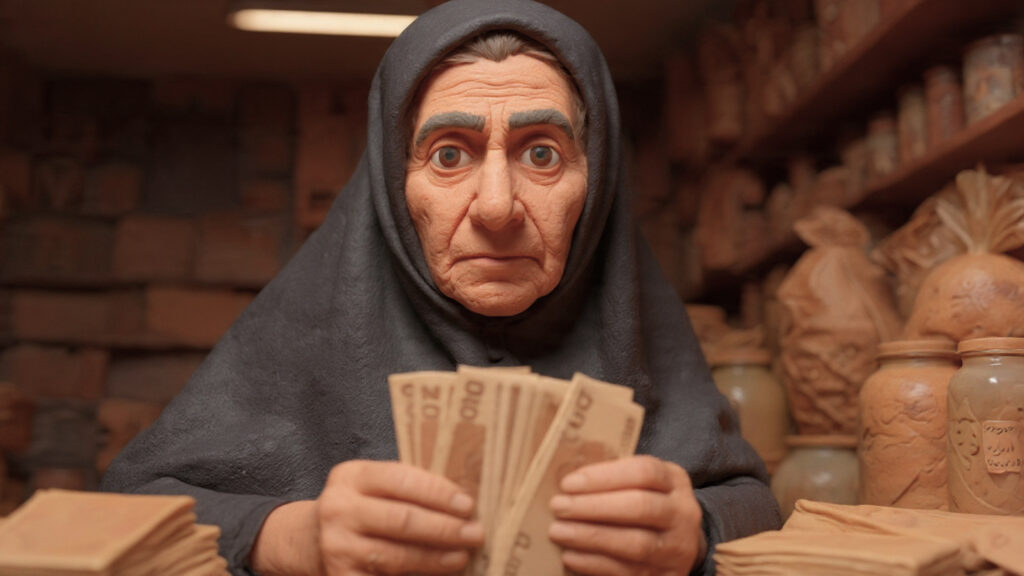
The Economic Nightmare: A Currency in Freefall
To understand why millions are risking live fire in the streets, one must look at the “rial-to-bread” ratio. Iran’s inflation surged to 52.6% by December 2025, but even this figure masks the reality. The Iranian rial plummeted to a record low of 1.5 million per U.S. dollar in early January 2026.
For perspective, in 2015—prior to the reimposition of heavy sanctions—the rial traded at approximately 32,000 per dollar. Iranians have watched their life savings lose 98% of their value in just eleven years.
The Case of the Collapsing Middle Class
Consider “Maryam,” a 42-year-old Tehran schoolteacher. In 2015, her salary was the equivalent of $781/month. Today, despite several “raises” in real terms, she earns the equivalent of $120/month. Her purchasing power has declined by 85% while her workload has doubled.
When a nation’s teachers, engineers, and doctors can no longer afford meat—which has seen price spikes of 72% this year—the social contract is effectively voided. This “humiliation of the cupboard” has transformed economic hardship into a radical political rage.
The Grand Bazaar Strike: A Symbolic Turning Point
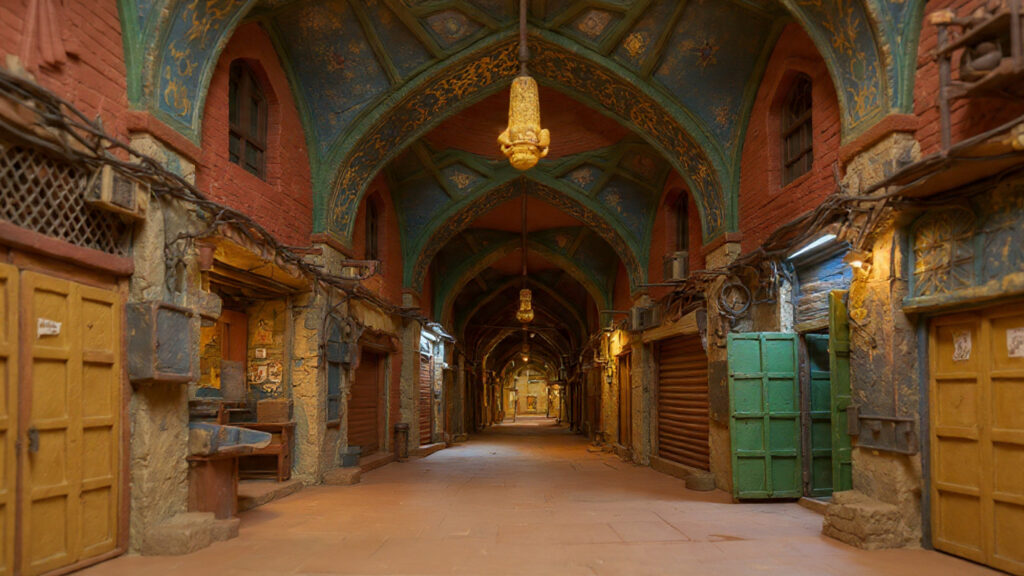
The protests took a decisive turn on December 28, 2025, when the merchants—the bazaaris—of Tehran’s Grand Bazaar shuttered their stalls.
Historically, the bazaaris were the backbone of Ayatollah Khomeini’s 1979 revolution. For the regime, losing the Bazaar is like losing the heart of the city. These are not radical students; they are conservative businessmen. Their strike signals that the regime has lost its traditional power base. Within 72 hours of the Bazaar strike, protests spread to all 31 provinces, reaching cities like Mashhad, Isfahan, and Shiraz.
The Strategy of State Violence
The death toll of 2,586 includes 2,417 protesters and 147 government-affiliated personnel. Reports suggest that the intensity of the killing—reaching nearly 1,000 deaths in a single 48-hour window between January 8 and 10—exceeds the casualty rates of many modern military battles.
The Targeting of Civilians
Medical professionals in Tehran and Shiraz, speaking under anonymity, describe “shoot-to-kill” patterns. “We see gunshot wounds to the head and chest, not the legs,” one surgeon reported. “This isn’t crowd control; it’s an execution in the streets.”
There are also emerging reports of security forces targeting the eyes of protesters with birdshot, a tactic seen in 2022 and revived now to create permanent, visible reminders of the cost of dissent.

The Information Blackout and the "Starlink" Factor
On January 8, 2026, the government initiated a total national outage of internet and telephone services. This digital siege was designed to hide the scale of the massacre. However, a new variable has entered the equation: Starlink.
President Donald Trump announced that Starlink terminals are being activated and smuggled into the country to help protesters communicate.
The Impact: While expensive and difficult to hide, these terminals allow “information hubs” where videos of the crackdown can be uploaded to the world.
The Counter-Tactics: Revolutionary Guard units have been seen raiding rooftops in Northern Tehran, searching for the small Starlink dishes.
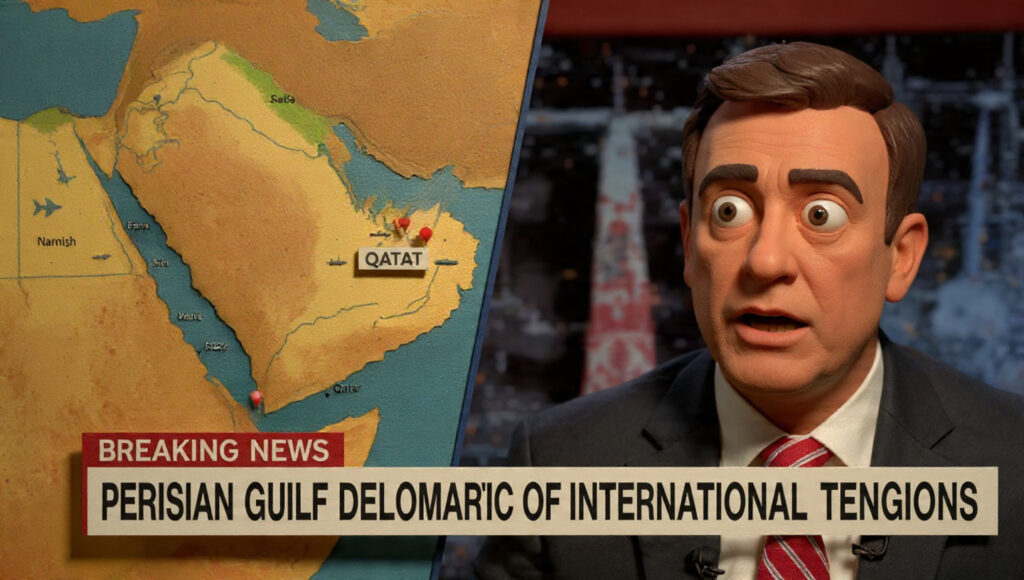
International Tensions: A New Iraq 2003?
The geopolitical situation is at its most volatile in decades. President Trump has warned that the U.S. is “locked and loaded” to intervene if the killing of peaceful protesters continues.
Military Options on the Table
Targeted Strikes: Focusing on Revolutionary Guard (IRGC) command centers and surveillance hubs.
Cyber Warfare: Disruption of the regime’s financial and communication networks.
The “Preemptive” Threat: Iran has threatened preemptive strikes against U.S. assets in the region, alleging foreign “meddling.” The partial evacuation of Al Udeid Air Base in Qatar on January 14 suggests the U.S. takes these threats seriously.
Internal Fractures: 22 Cents for Peace?
In a move that has been widely mocked by the population, President Masoud Pezeshkian announced a monthly allowance of 40 million rials for families in need. At current exchange rates, this equals roughly $26 per month for a family of four, or about 22 cents per person, per day.
“It is a laughable response to a systemic collapse,” says Alex Vatanka of the Middle East Institute. “You cannot fix a 98% currency devaluation with the price of a single egg.”
Conclusion: Why 2026 is the End of the Reformist Era
Iranians have survived 17 years of periodic uprisings: 2009, 2017, 2019, and 2022. Each time, they were told to wait for “reform.” In 2026, that patience has evaporated.
The current movement is “leaderless” but not “rudderless.” It is driven by an educated generation that sees no future in the current system. As the regime schedules fast-track executions for prisoners like Erfan Soltani, they risk creating a new wave of martyrs that will only push the moderate “silent majority” into the streets.
Quick Facts: Iran 2026 Uprising
| Metric | Detail |
| Confirmed Deaths | 2,586 (as of Jan 15, 2026) |
| Total Detained | Over 18,400 |
| Rial Exchange Rate | 1.5 Million IRR = 1 USD |
| Trigger | Hyperinflation & Grand Bazaar Strikes |
| Key Technology | Starlink (Circumventing Blackout) |
“All images in this article were generated using AI tools for illustrative purposes. They are designed to visualize concepts and should not be considered actual product photographs.”