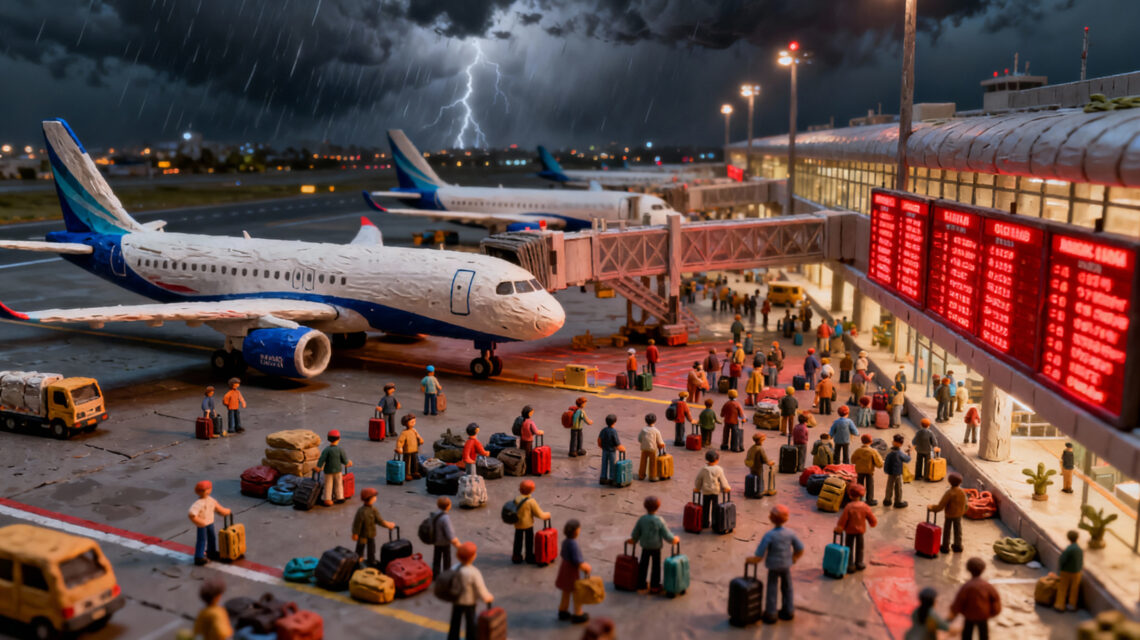
IndiGo flight cancellations in 2025 sparked India’s worst aviation crisis. DGCA issued a show-cause notice as 2,100+ flights were cancelled. Full story from rise to chaos.
IndiGo flight cancellations 2025 have triggered India’s biggest aviation meltdown in recent history. What started as scattered delays in early December suddenly escalated into a nationwide crisis that left thousands of passengers stranded, airports in chaos, and India’s most reliable airline facing its toughest regulatory scrutiny ever.
This is the complete story—from IndiGo’s remarkable rise as India’s aviation champion to the regulatory warnings, management missteps, and systemic failures that led to this unprecedented disruption.

The Birth of IndiGo: When Two Visionaries Changed Indian Aviation (2005-2006)
IndiGo flight cancellations 2025 might dominate headlines today, but the airline’s story began two decades ago with an audacious dream.
In 2005, Rahul Bhatia (InterGlobe Enterprises founder) and Rakesh Gangwal (former United Airlines and US Airways executive) partnered to launch India’s most ambitious low-cost carrier. Their vision was simple yet revolutionary: to provide affordable air travel to India’s massive middle class through uncompromising operational efficiency.
Before even receiving its first aircraft, IndiGo placed a jaw-dropping order for 100 Airbus A320 planes worth $6 billion—one of the largest startup fleet orders in aviation history.
On August 4, 2006, IndiGo launched its first commercial flight from New Delhi to Imphal. The business model was brilliantly simple:
✔️ Single aircraft type (Airbus A320 family only)
✔️ Lightning-fast turnarounds (20-25 minutes vs industry average 45+ minutes)
✔️ Maximum aircraft utilization (planes flying 12+ hours daily)
✔️ Bulk purchasing power (massive orders = lower costs)
✔️ No-frills service (pay extra for meals, seats, baggage)
Within one year, IndiGo crossed 1 million passengers.
The Unstoppable Rise: How IndiGo Conquered Indian Skies (2007-2024)
IndiGo flight cancellations 2025 seem unthinkable when you consider the airline’s legendary track record.
By 2011, IndiGo became India’s largest domestic carrier with a 17.3% market share. By 2012, it overtook Jet Airways and Air India permanently. The airline’s October 2015 IPO was oversubscribed multiple times, making founders billionaires overnight.
IndiGo’s reputation was built on three pillars:
🎯 On-Time Performance: Consistently above 80% (industry-leading)
💰 Profitability: Making money while competitors bled cash
🚀 Aggressive Expansion: Adding routes and aircraft at breakneck speed
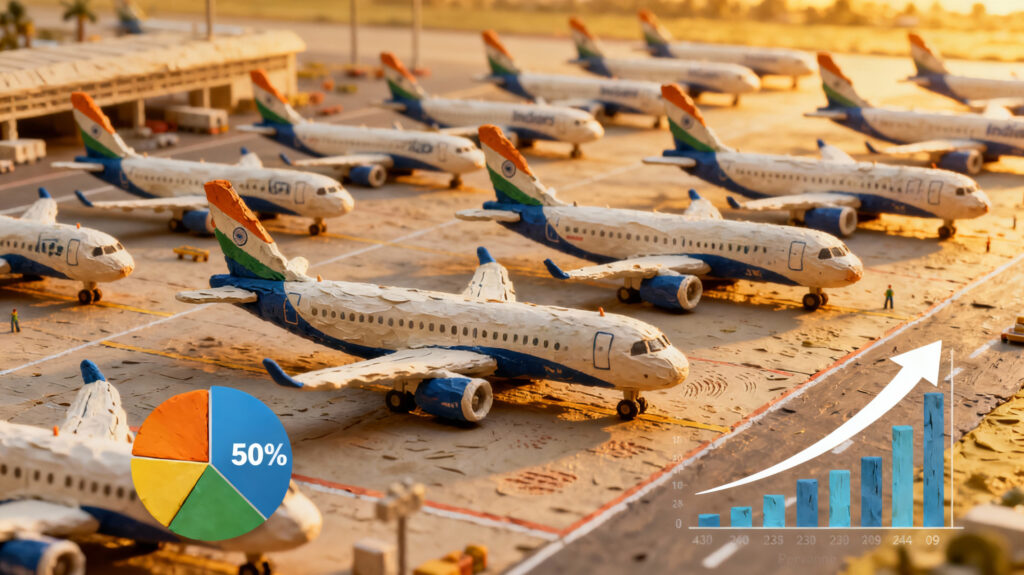
By 2023, IndiGo operated 2,000+ daily flights connecting 120+ destinations. Today, the airline operates 2,700+ daily flights to 137+ cities with a fleet of 430+ aircraft.
Most remarkably? IndiGo commands over 60% of India’s domestic market share—unprecedented dominance in one of the world’s fastest-growing aviation markets.
For Indian travelers, “If you want to reach on time—fly IndiGo” wasn’t just marketing. It was reality.
Co-founder Rahul Bhatia’s net worth soared to $10 billion by 2025 (up from $3.5 billion in 2023). In July 2025, IndiGo placed a historic order for 500 Airbus A320 family aircraft—the single largest aircraft purchase in commercial aviation history.
But beneath this gleaming success story, dangerous cracks were forming.
The Warning Signs Nobody Heeded (2020-2024)
While IndiGo flight cancellations 2025 shocked passengers, industry insiders saw it coming.
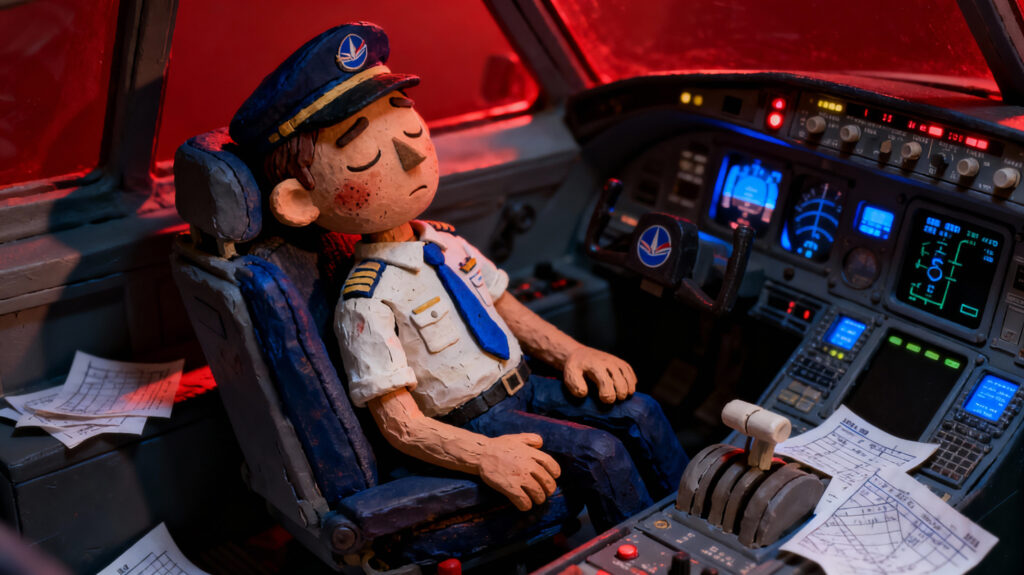
Between 2020-2024, IndiGo pilots and crew repeatedly raised red flags:
⚠️ Exhausting rosters with minimal rest periods
⚠️ 12-14-hour duty days becoming routine
⚠️ Consecutive night flights are causing severe fatigue
⚠️ Pressure to maintain impossible turnaround times
⚠️ Staffing shortages despite rapid expansion
Social media witnessed multiple viral posts from fatigued pilots. Yet IndiGo continued its aggressive growth strategy, adding routes faster than it hired crew.
Then came the regulatory earthquake.
DGCA's Game-Changer: New Pilot Fatigue Rules (January 2024)
To combat rising pilot fatigue across Indian aviation, India’s Directorate General of Civil Aviation (DGCA) introduced stricter Flight Duty Time Limitations (FDTL) in January 2024:
✅ Reduced weekly night landing limits from 6 to just 2
✅ Increased mandatory rest periods between flights
✅ Stricter caps on consecutive duty hours
✅ Prohibition on substituting leave for weekly rest
✅ Enhanced fatigue reporting requirements
These regulations aligned India with international safety standards. The DGCA gave airlines nearly two years to prepare, implementing changes in two phases:
- Phase 1: July 2024
- Phase 2: November 1, 2025
Most Indian airlines adapted smoothly. Air India, SpiceJet, and others adjusted crew rosters, hired additional pilots, and restructured schedules well in advance.
But IndiGo—the largest carrier most affected by crew scheduling constraints—fatally underestimated the impact.
💥 The Breaking Point: December 2025 Meltdown
What Exactly Went Wrong?
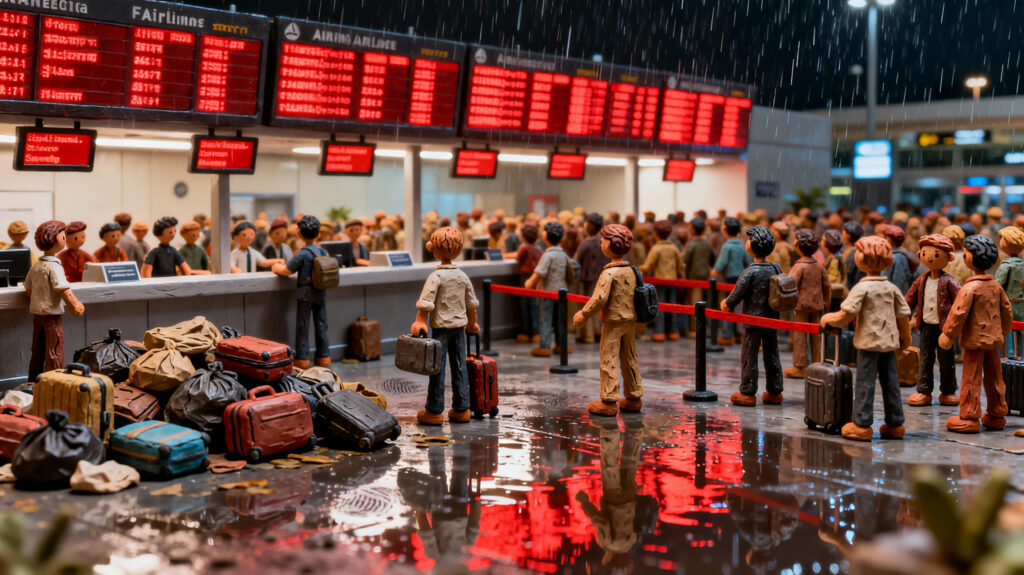
By early December 2025, IndiGo flight cancellations 2025 exploded into a full-blown crisis. Here’s the catastrophic timeline:
🔴 December 5, 2025: The Worst Day
IndiGo cancelled all domestic flights from New Delhi and Chennai—over 1,000 cancellations in a single day. The airline’s on-time performance collapsed from 19.7% the previous day to just 8.5%.
Passengers described apocalyptic scenes:
“I booked IndiGo because it was supposed to be reliable. Now I’m stuck at the airport for 10 hours with zero clarity. Nobody knows anything.”
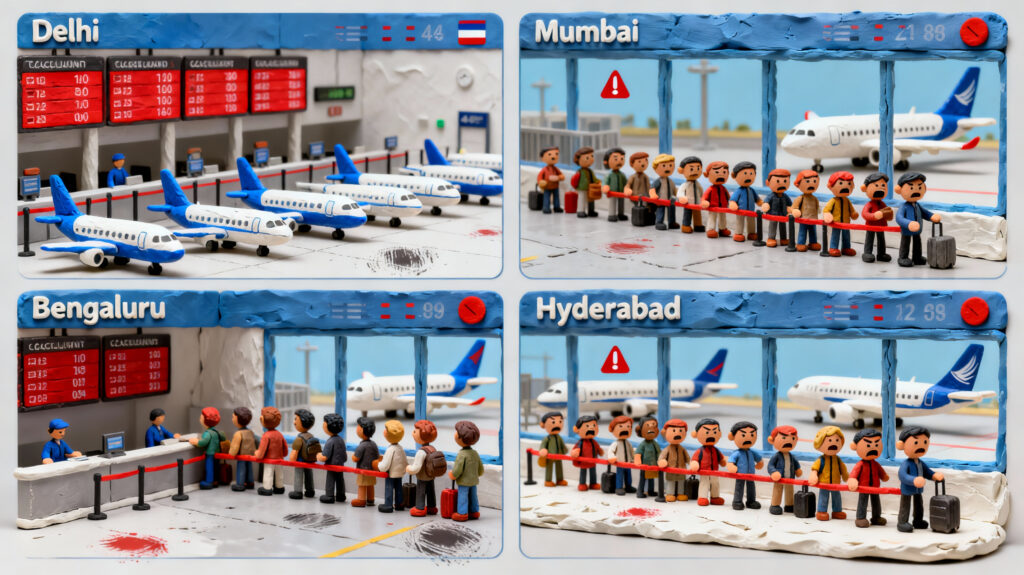
December 6, 2025: Chaos Spreads
Major airport cancellations:
- Delhi: 86 flights cancelled
- Mumbai: 109 flights cancelled
- Bengaluru: 124 flights cancelled
- Hyderabad: 66 flights cancelled
November 2025: The Build-Up
IndiGo had reported 1,232 flight cancellations in November alone, with 755 directly attributed to crew shortages and FDTL compliance issues. On-time performance plummeted from 84.1% in October to 67.7% in November.
The Four Fatal Failures
✔️ Pilot Shortage Crisis
IndiGo’s lean crew-to-aircraft ratio worked under old regulations. Under stricter FDTL rules, the airline simply didn’t have enough rested pilots.
✔️ Operational Over-Promising
Schedules weren’t adjusted despite knowing new regulations would reduce scheduling flexibility.
✔️ System Failures
Crew planning software wasn’t updated to handle new rest requirements automatically.
✔️ Hiring Lag
Training new pilots takes 6-12 months. IndiGo started too late despite having nearly two years’ warning.
The result? A cascading nationwide breakdown affecting over 2,100 flights across December.
📢 DGCA Strikes: Historic Show-Cause Notice to IndiGo CEO
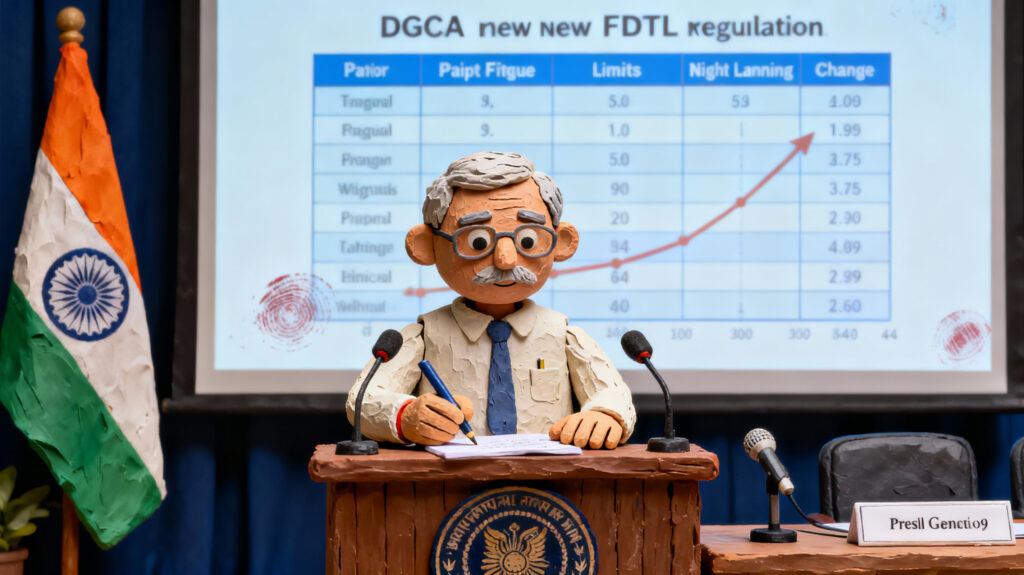
On December 6, 2025, the DGCA issued an unprecedented show-cause notice to IndiGo CEO Pieter Elbers—one of the toughest regulatory actions in Indian aviation history.
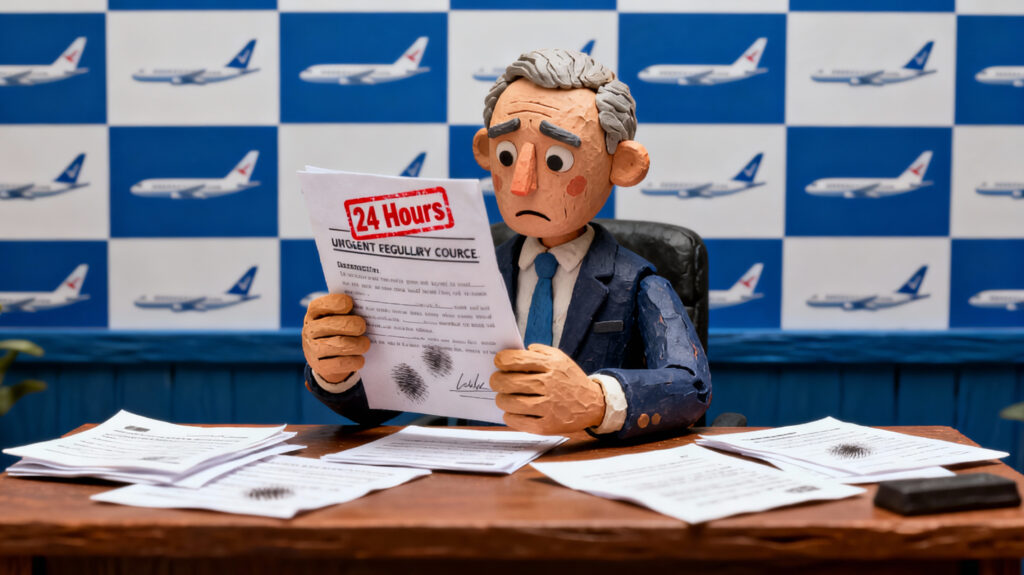
The 24-hour deadline notice stated:
“As the CEO, you are responsible for ensuring effective management of the airline. IndiGo failed to make necessary adjustments to rosters, manpower, and systems in time, resulting in widespread crew shortages.”
The DGCA demanded explanations for:
🔴 Massive passenger inconvenience
🔴 Schedule mismanagement
🔴 Poor communication
🔴 Potential safety violations
🔴 Failure to provide mandatory passenger assistance
December 7, 2025: The DGCA issued a second show-cause notice to IndiGo’s accountable manager and established a four-member investigation panel to examine systemic failures. The committee must submit findings within 15 days and recommend penalties ranging from fines to operational restrictions.
This marked a watershed moment—Indian aviation regulators holding a dominant airline’s CEO personally accountable for operational failures.
🏛️ Government Steps In: Emergency Passenger Protection
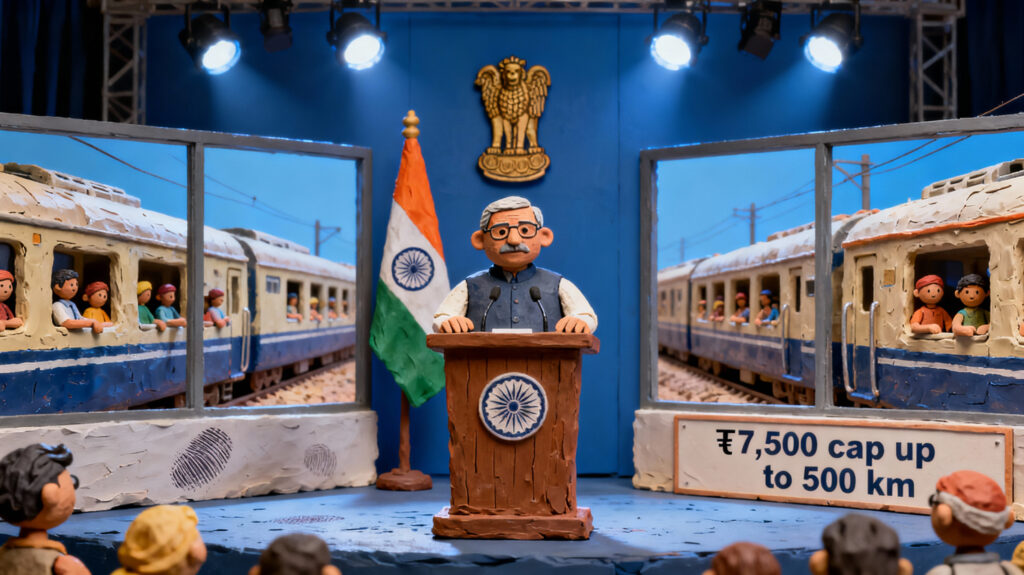
The Ministry of Civil Aviation implemented emergency measures to protect stranded travelers:
Airfare Caps Imposed
For the first time since COVID-19 pandemic in 2020:
- Journeys up to 500 km capped at ₹7,500 ($83)
- Journeys 1,000-1,500 km capped at ₹15,000 ($167)
Passenger Relief Measures
✅ All pending refunds must be processed by December 7 evening
✅ Separated baggage reunited with owners within 48 hours
✅ Dedicated passenger-support desks at all airports
✅ 24×7 helpline for affected travelers
Alternative Transportation
The Railway Ministry added 116 coaches across 37 premium trains to accommodate passengers choosing rail travel during the aviation crisis.
Temporary Regulatory Relief
On December 5, the DGCA granted IndiGo temporary exemptions from some FDTL rules, notably rolling back night landing limits from 2 to 6 weekly landings.
However, pilot associations criticized this decision:
“Safety regulations exist for passenger and crew protection—not corporate convenience. Exemptions undermine the very purpose of FDTL rules.”
👨✈️ Why Pilots Pushed Back: Fatigue Is a Safety Issue, Not Protest
Some initial reports framed the crisis as pilot “non-cooperation.” Multiple pilot associations quickly corrected this narrative:
“Pilots did not refuse duty. They reported fatigue as legally required under DGCA regulations and international aviation safety norms.”
Fatigue reporting is mandatory, not optional. Pilots face legal consequences if they fly while fatigued and an incident occurs.
IndiGo pilots described their reality:
✈️ 12-14-hour duty days regularly
✈️ Consecutive night flights with minimal rest
✈️ Extreme pressure to maintain impossible turnarounds
✈️ Physical and mental exhaustion is becoming normalized
The crisis exposed IndiGo’s fundamental challenge: balancing ultra-low-cost efficiency with mandatory safety regulations. When regulations tightened, the model broke.
😡 Passenger Nightmare: The Human Cost of Operational Failure
IndiGo flight cancellations 2025 devastated thousands of travelers:
❌ Flights cancelled without prior notice
❌ 10+ hour waits at airport counters
❌ Delayed or denied refunds
❌ Flights rescheduled days later
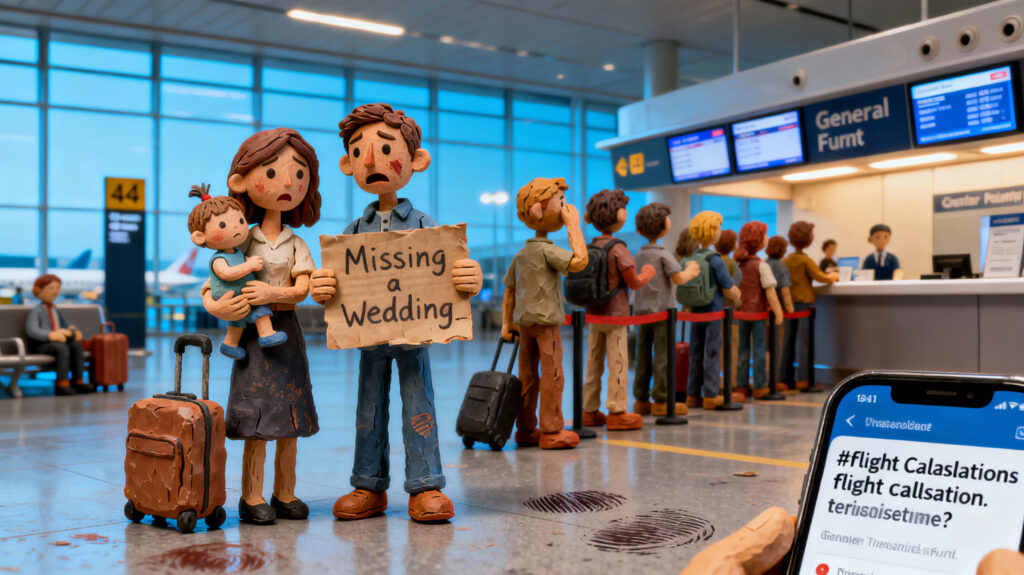
❌ Missed weddings, job interviews, medical appointments
❌ Separated families during holiday season
Social media erupted with passenger anger:
“IndiGo left me stranded in Delhi with my 2-year-old. No help, no answers, no humanity. This is India’s ‘best’ airline?”
Airports in Delhi, Mumbai, Bengaluru, Hyderabad, and Kolkata descended into chaos. The hashtag #IndiGoFlightCancellation trended nationally for days.
🔍 Analysis: How Did India's Best Airline Fail This Badly?
The Operational Model’s Hidden Fragility
IndiGo’s legendary efficiency depended on razor-thin margins:
⚙️ Minimal crew redundancy
⚙️ Maximum aircraft utilization (12+ hours daily)
⚙️ Ultra-tight turnarounds (20-25 minutes)
⚙️ Aggressive scheduling with zero buffer
This model works brilliantly in stable regulatory environments. But when external constraints tighten—like stricter pilot rest requirements—the system becomes dangerously brittle.
Why IndiGo Struggled While Competitors Adapted
Airlines with higher crew-to-aircraft ratios adjusted smoothly to FDTL rules. Air India, SpiceJet, and Vistara experienced minimal disruptions because they had scheduling flexibility.
IndiGo’s ultra-lean staffing model—once its competitive advantage—became its Achilles’ heel. The airline admitted to the DGCA that disruptions stemmed from “misjudgment and planning gaps.”
Leadership Accountability
The DGCA’s notice explicitly stated that CEO Pieter Elbers “failed in his duty” to ensure reliable operations and passenger protections. This represents rare regulatory action holding individual executives personally responsible.
🛠️ IndiGo's Response and Recovery Timeline
Public Apology
CEO Pieter Elbers issued a video apology on December 6:
“December 5 was the most impacted day in our 20-year history. We extend our sincerest apologies to every affected passenger.”
Operational Recovery
December 7: IndiGo restored over 95% of its network, operating 1,500+ flights to 135 destinations.
December 10-15: Target for complete schedule normalization.
Mid-February 2026: IndiGo warned full operational stability won’t return until February 2026—more than two months away.
Passenger Assistance
✅ Free cancellations/rescheduling for bookings between December 5-15
✅ Automatic full refunds for cancelled flights
✅ Expedited baggage reunification
Crisis Management
IndiGo’s Board established a Crisis Management Group (CMG) on December 7 to prevent future disruptions and rebuild passenger trust.
🎓 Lessons Learned: What This Crisis Teaches Aviation
For Airlines
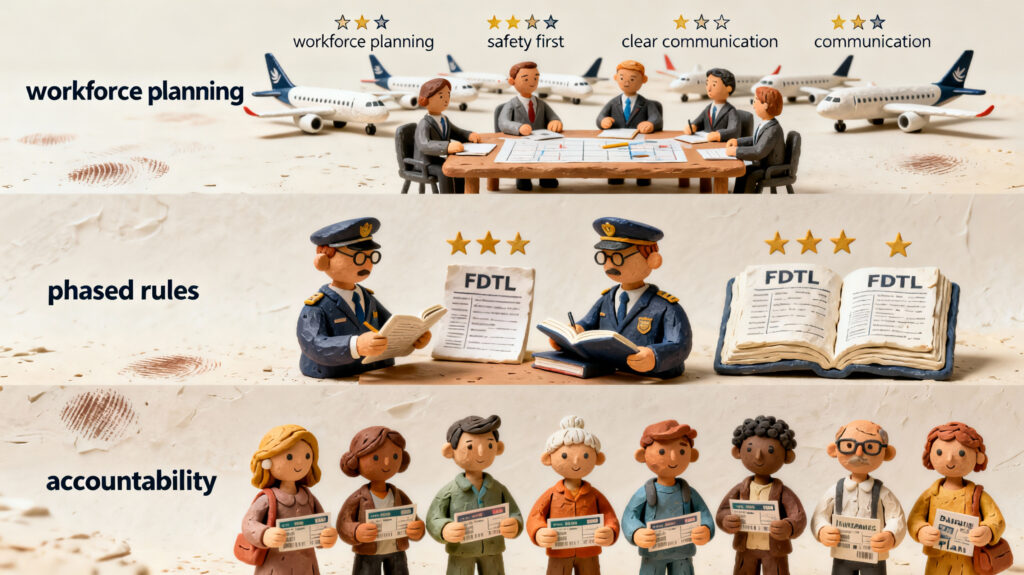
⭐ Two years’ notice should be sufficient for workforce planning
⭐ Ultra-lean models are vulnerable to regulatory changes
⭐ Safety cannot be compromised for short-term profits
⭐ Transparent communication is essential during crises
For Regulators
⭐ Phased implementation works when enforced
⭐ Individual accountability strengthens regulatory credibility
⭐ Dominant players require closer oversight due to systemic importance
For Passengers
⭐ Book flexible tickets when possible
⭐ Travel insurance protects against cancellation losses
⭐ Know your rights under Indian aviation law
⭐ Have backup transportation plans during disruptions
🔮 What's Next for IndiGo and Indian Aviation?
Short-Term (December 2025 – February 2026)
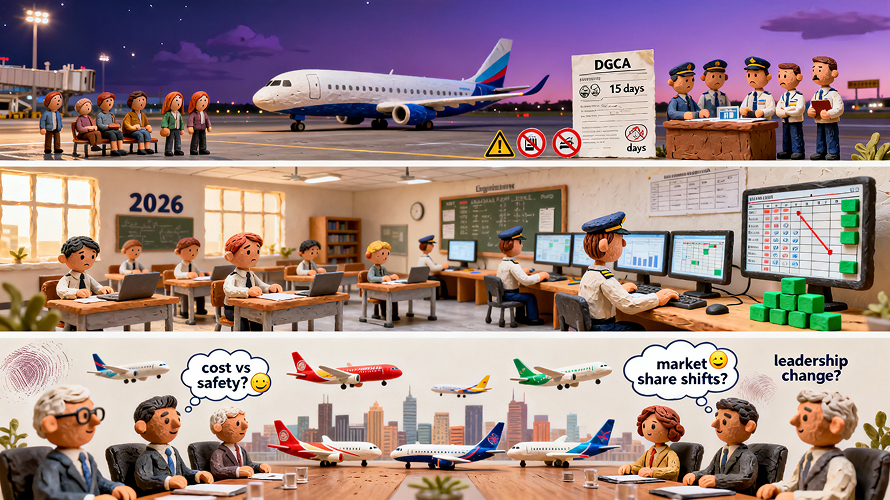
The DGCA investigation committee’s report (due within 15 days) will determine penalties—potentially including heavy fines, operational restrictions, or mandatory compliance measures.
IndiGo faces weeks of continued intermittent disruptions as operations stabilize. Passenger trust remains severely damaged.
Medium-Term (2026)
✅ Workforce expansion: Hiring and training hundreds of additional pilots
✅ System upgrades: Complete crew planning software overhaul
✅ Operational buffer: Building scheduling slack and redundancy
Long-Term Questions
🤔 Can IndiGo maintain ultra-low-cost advantage while meeting higher safety standards?
🤔 Will competitors gain market share during IndiGo’s recovery period?
🤔 Does this crisis demand leadership changes or strategic pivots?
🤔 Will India’s aviation market become less concentrated?

🏁 Conclusion: A Defining Moment for India's Largest Airline
IndiGo flight cancellations 2025 represent the biggest crisis in the airline’s 20-year history—a watershed moment that will define its future trajectory.
For nearly two decades, IndiGo rewrote Indian aviation through operational excellence, strategic vision, and relentless efficiency. It made air travel affordable for millions and achieved unprecedented market dominance.
But this December crisis exposed the fragility beneath that success. When safety regulations tightened with nearly two years’ advance notice, IndiGo’s ultra-lean operational model couldn’t adapt fast enough, triggering India’s worst aviation disruption outside the COVID-19 pandemic.
The coming months will determine whether this was a painful but temporary adjustment or a fundamental reckoning with an unsustainable business model.
What’s certain: The IndiGo emerging from this crisis will be different. Whether it can maintain dominance while building operational resilience and regulatory compliance remains the defining question for India’s largest airline.
The story that began in 2005 with two entrepreneurs’ vision to transform Indian aviation now faces its greatest test. How IndiGo responds will shape not just its own future, but the trajectory of Indian aviation for years to come.
“All images in this article were generated using AI tools for illustrative purposes. They are designed to visualize concepts and should not be considered actual product photographs.”