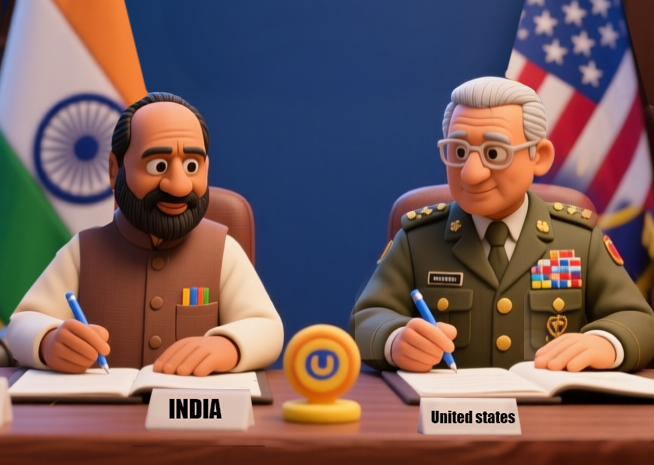
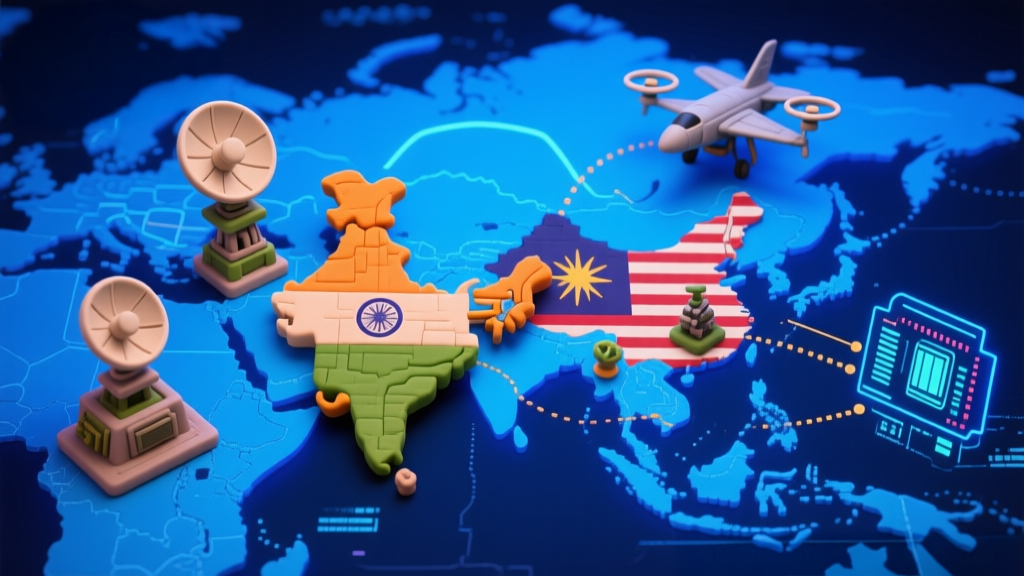
India and the United States have signed a landmark 10-year defense cooperation framework, titled “US–India Ink 10-Year Defense Pact,” in Kuala Lumpur on October 29, 2025, marking a new chapter in Indo-Pacific security, technology exchange, and strategic cooperation.
A Milestone Moment in Defense Ties
In a significant diplomatic development, “US and India Sign Historic 10-Year Defense Pact”. This landmark defense cooperation framework aims to enhance military collaboration, intelligence sharing, and the exchange of advanced technologies across the Indo-Pacific region. The agreement was formalized on October 29, 2025, in Kuala Lumpur during the ASEAN Defense Ministers’ Meeting, where India’s Defense Minister, Rajnath Singh, met with US Secretary of War, Pete Hegseth. Both nations praised the pact as a “significant step forward” in strengthening their strategic partnership and ensuring a secure and open Indo-Pacific.
Beyond Paper: What the 10-Year Pact Really Means
While previous frameworks between India and the US have set the stage for defense ties, this new agreement represents a deeper strategic alignment.
It expands upon the 2015 Defense Framework, introducing mechanisms for joint military exercises, logistics collaboration, and integration of “Make in India” initiatives into US defense production chains.
Lt. Gen. (Retd) DS Hooda, a former Indian Army officer and defense analyst, noted that the pact is both pragmatic and forward-looking:
“Given the complex Indo-Pacific landscape and China’s growing assertiveness, this partnership strengthens India’s defense posture while preserving its strategic autonomy.”
Regional Reactions: China and Pakistan Respond
The move has not gone unnoticed in Beijing and Islamabad.
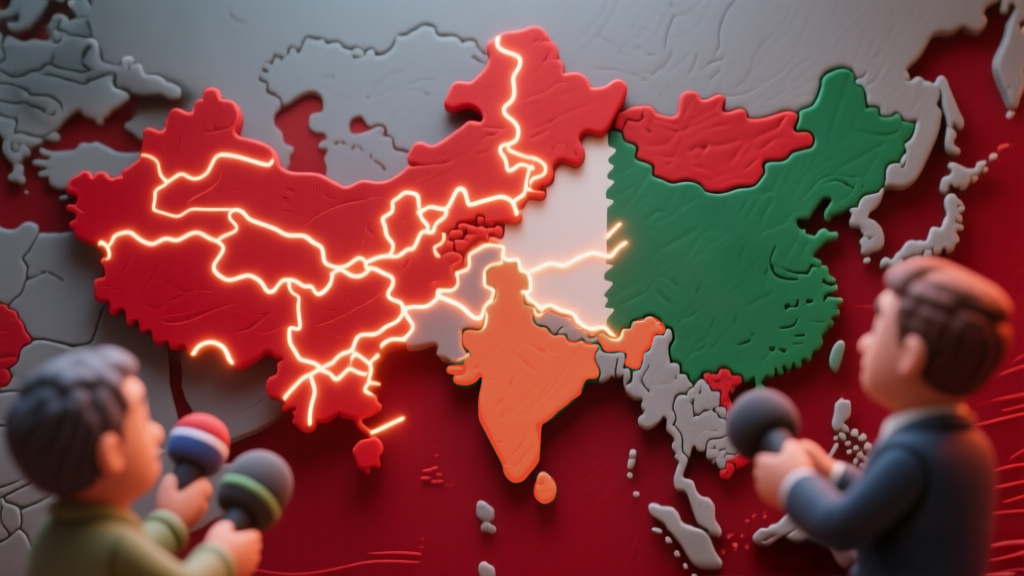
China’s foreign ministry downplayed the agreement, calling it an “exclusive security bloc” that could destabilize regional peace. Meanwhile, Pakistani officials expressed concern that deeper India–US cooperation could heighten India’s “militarization drive” and alter South Asia’s balance of power.
However, experts argue that India’s intent is defensive, not confrontational.
Shreya Sinha, a South Asia expert at Global Security Review, observed:
“India’s message is clear: it’s expanding partnerships not only to deter threats from China but also to play a larger role in regional security.”

India’s Strategic Autonomy: Non-Alignment in a New Form
For decades, India has carefully maintained strategic autonomy, avoiding formal military alliances while engaging with multiple powers.
This new pact respects that principle. It emphasizes technology partnerships, logistics cooperation, and open-market opportunities — without binding India to any specific bloc.
Professor Kanti Bajpai of the National University of Singapore explained:
“India still avoids formal alliances but now values networked partnerships — especially those that bring in technology and training without political strings attached.”
Symbolic Gesture or Tangible Commitment?
Analysts often question whether such agreements yield real impact or remain symbolic. While bureaucratic hurdles can delay outcomes, both governments agree that this framework lays a strong operational foundation.
Michael Kugelman, Deputy Director at the Wilson Center’s South Asia Institute, said:
“The proof will lie in implementation. If both sides can follow through on technology sharing, this could reshape the Indo-Pacific defense landscape.”

Defining the Next Decade: Technology and Trade
At its heart, the pact focuses on defense, technology, and economic synergy.
It opens doors for joint innovation in cybersecurity, drone technology, and co-production of advanced defense systems — areas critical to both nations’ long-term strategic goals.
Indian defense officials also pointed to private sector investment and academic partnerships across both sides of the Pacific. The agreement could complement initiatives like the Indo-Pacific Economic Framework (IPEF), linking defense modernization with trade resilience.
The Bigger Picture: Strategic Convergence, Not Dependence
Despite its scale, the 10-year framework preserves India’s independent foreign policy ethos.
For New Delhi, the focus remains on deterrence — strengthening its stance against China and Pakistan without aligning under any bloc.
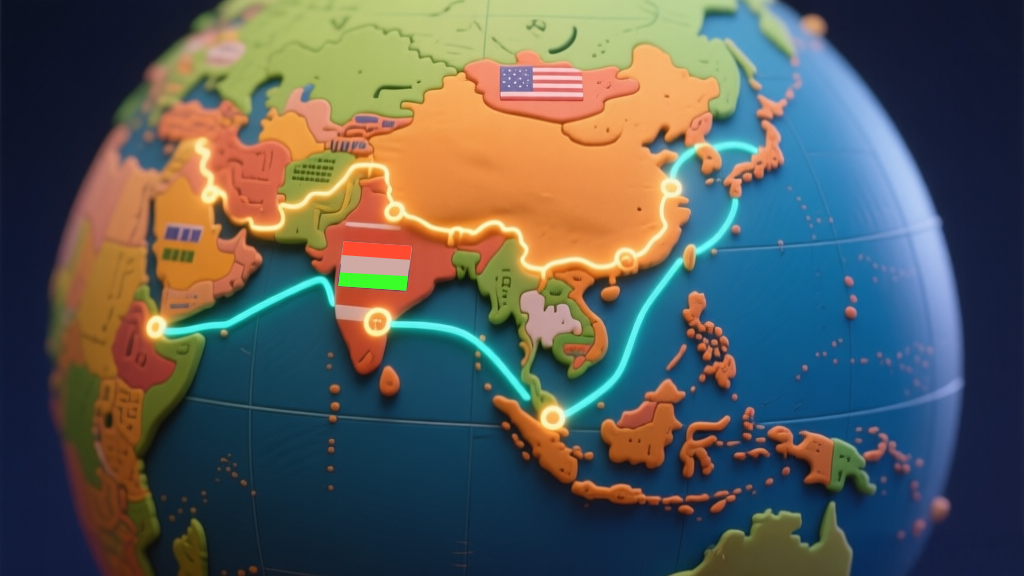
For Washington, it reinforces a network of like-minded democracies countering China’s growing influence in the Indo-Pacific.
As one senior Indian diplomat put it:
“This is not about alignment. It’s about convergence — where interests overlap, we act together; where they don’t, we act independently.”
Bottom Line: A Calculated Partnership for a Complex Region
The India–US 10-year defense pact represents the most comprehensive bilateral security framework between the two nations to date.
It balances ambition with autonomy — deepening defense cooperation while preserving India’s flexibility in global diplomacy.
For India, the pact marks a decisive step toward becoming a regional security pillar with advanced capabilities and diversified alliances.
For the US, it secures a critical strategic partner in its Indo-Pacific roadmap, grounded in shared values and mutual security interests.
In an era of shifting power dynamics, this agreement signals that India and the US are ready to collaborate as strategic partners shaping the Indo-Pacific future — not out of obligation, but shared vision.
🗝️ Key Sources and References
- Times of India — “New chapter: Rajnath Singh meets US Secretary of War Pete Hegseth, signs 10-yr defense framework” (Oct 29, 2025)
- Hindustan Times — “Ties never been stronger: US signs big 10-year defense framework with India” (Oct 30, 2025)
- Global Security Review
- The Stimson Center
- Wilson Center South Asia Institute
- The Hill
- Sunday Guardian
- India Today
“All images in this article were generated using AI tools for illustrative purposes. They are designed to visualize concepts and should not be considered actual product photographs.”